LVP vs. LVT: Which Flooring Option is Right for Your Home?


Understanding LVP and LVT
When it comes to choosing the right flooring for your home, Luxury Vinyl Plank (LVP) and Luxury Vinyl Tile (LVT) are two popular options that offer durability, aesthetics, and affordability. Both are made from similar materials but differ in appearance and application. Understanding these differences can help you make the best choice for your space.
What is Luxury Vinyl Plank (LVP)?
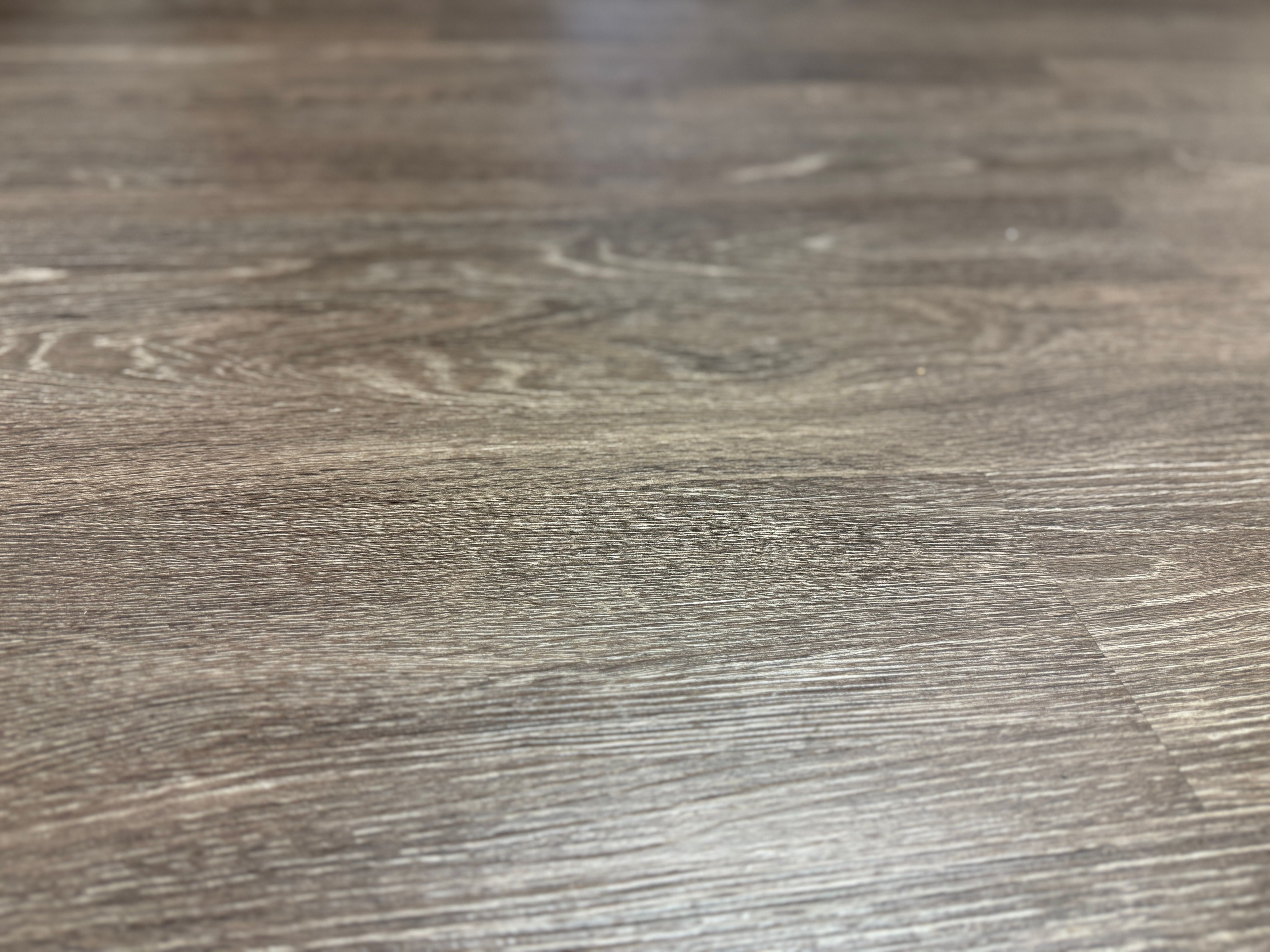
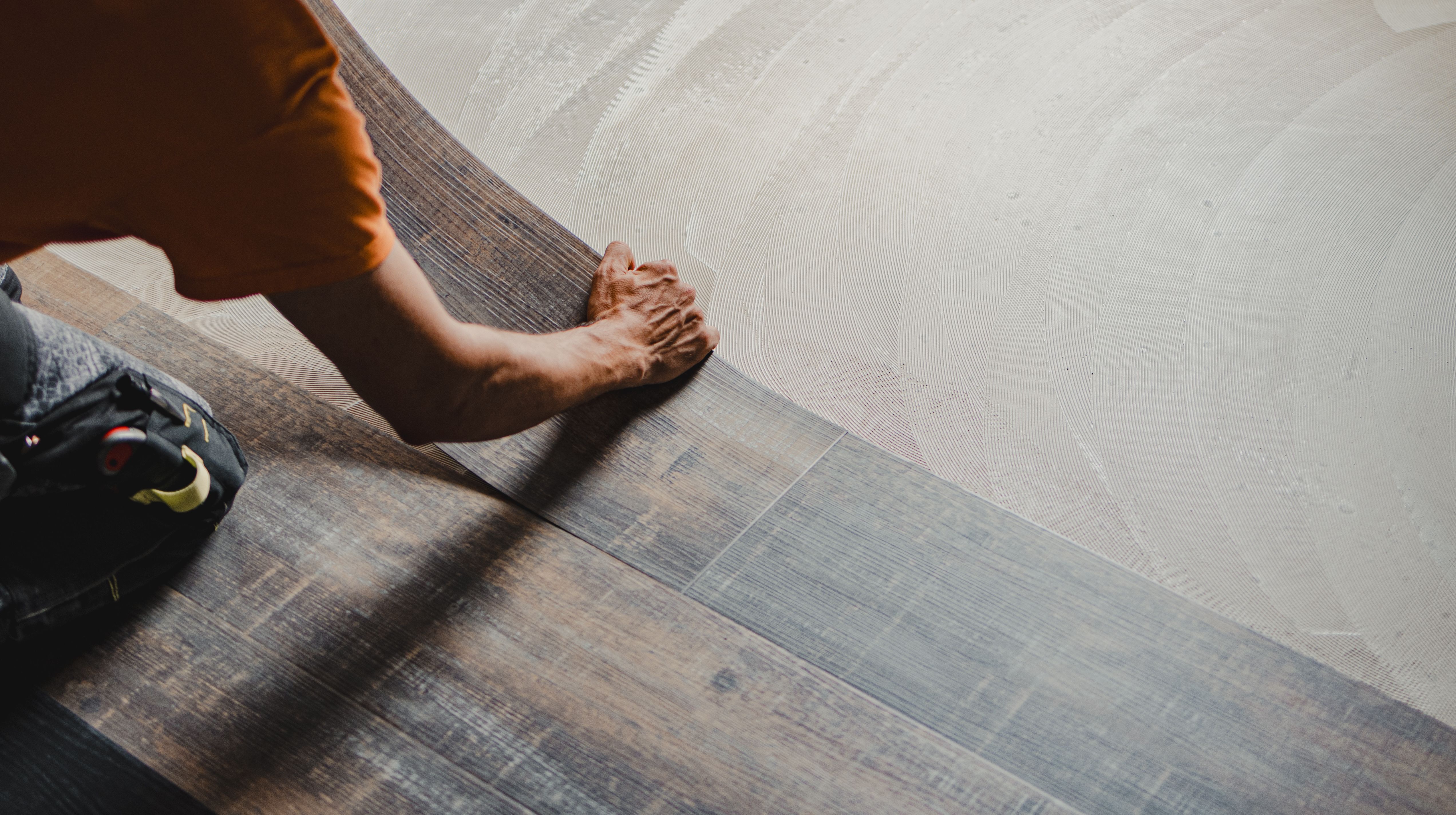
LVP is designed to mimic the look of hardwood flooring. It comes in plank shapes, which makes it an ideal choice for those who desire the warmth and texture of wood without the high cost and maintenance. LVP is known for its water resistance, making it suitable for areas like kitchens and bathrooms.
One of the key benefits of LVP is its ease of installation. Many LVP products feature a click-lock mechanism that allows for straightforward installation, even for DIY enthusiasts. Additionally, LVP offers a range of styles and colors, allowing homeowners to tailor their flooring to their personal taste.
What is Luxury Vinyl Tile (LVT)?
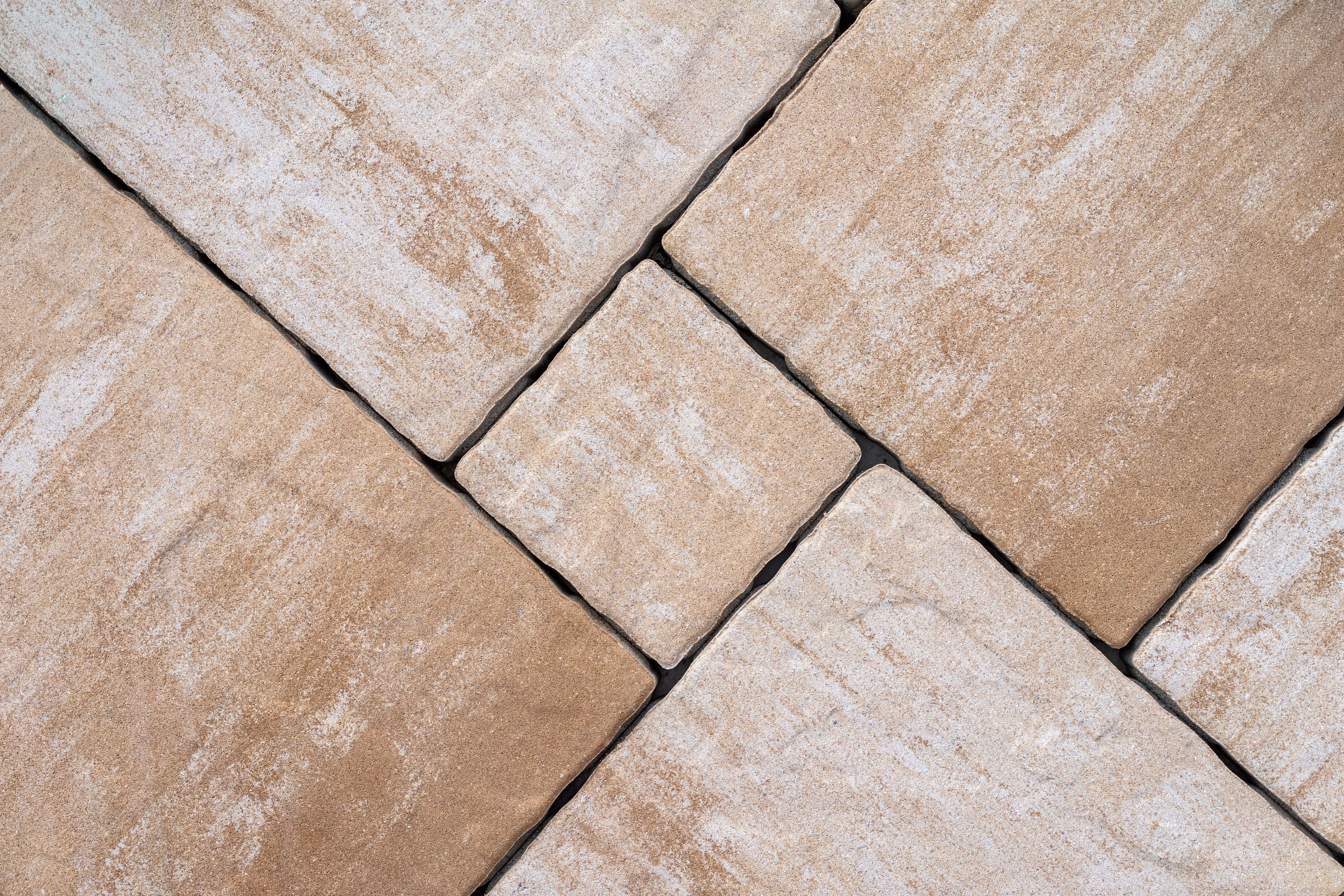
LVT, on the other hand, is designed to mimic the appearance of stone or ceramic tiles. It comes in square or rectangular tiles and offers the elegance of natural stone without the hefty price tag or complex installation. LVT is also water-resistant, making it a great option for bathrooms and basements.
Similar to LVP, LVT is available in various designs and patterns, allowing you to create a unique look that complements your home decor. It's also softer underfoot compared to traditional stone tiles, providing added comfort.
Comparing Durability and Maintenance
Both LVP and LVT are known for their durability. They are resistant to scratches, stains, and dents, making them suitable for high-traffic areas. However, it's essential to choose a product with a robust wear layer to ensure longevity.
Maintenance is straightforward with both options. Regular sweeping and occasional damp mopping are typically sufficient to keep your floors looking pristine. Unlike natural wood or stone, there's no need for refinishing or sealing, which can save both time and money in the long run.
Cost Considerations
When it comes to cost, both LVP and LVT are generally more affordable than their natural counterparts. The price can vary based on the quality of the product, design, and brand. It's important to balance cost with durability to ensure you're getting the best value for your investment.
Installation costs can also vary. While both LVP and LVT can be installed by DIYers, professional installation might be preferable for more complex layouts or larger spaces.
Choosing the Right Option for Your Home
The choice between LVP and LVT ultimately depends on your personal preferences and the specific needs of your space. If you love the look of hardwood, LVP might be the right choice. If you're drawn to the elegance of stone, LVT could be the better option.
Consider the room's function, the expected foot traffic, and your budget. Both options provide excellent durability and style, so you can’t go wrong with either choice.
Conclusion
In summary, both LVP and LVT offer fantastic benefits for homeowners looking to enhance their interiors with stylish, durable flooring. By understanding the key differences and considering your specific needs, you can confidently select the option that will best suit your home.