
Sanding vs. Finishing: What You Need to Know for Perfect Hardwood Floors


When it comes to achieving perfect hardwood floors, understanding the difference between sanding and finishing is crucial. These two processes are essential in ensuring that your floors not only look beautiful but also last for years. Whether you're renovating your home or installing new flooring, knowing when and how to sand and finish can make all the difference.
Understanding Sanding
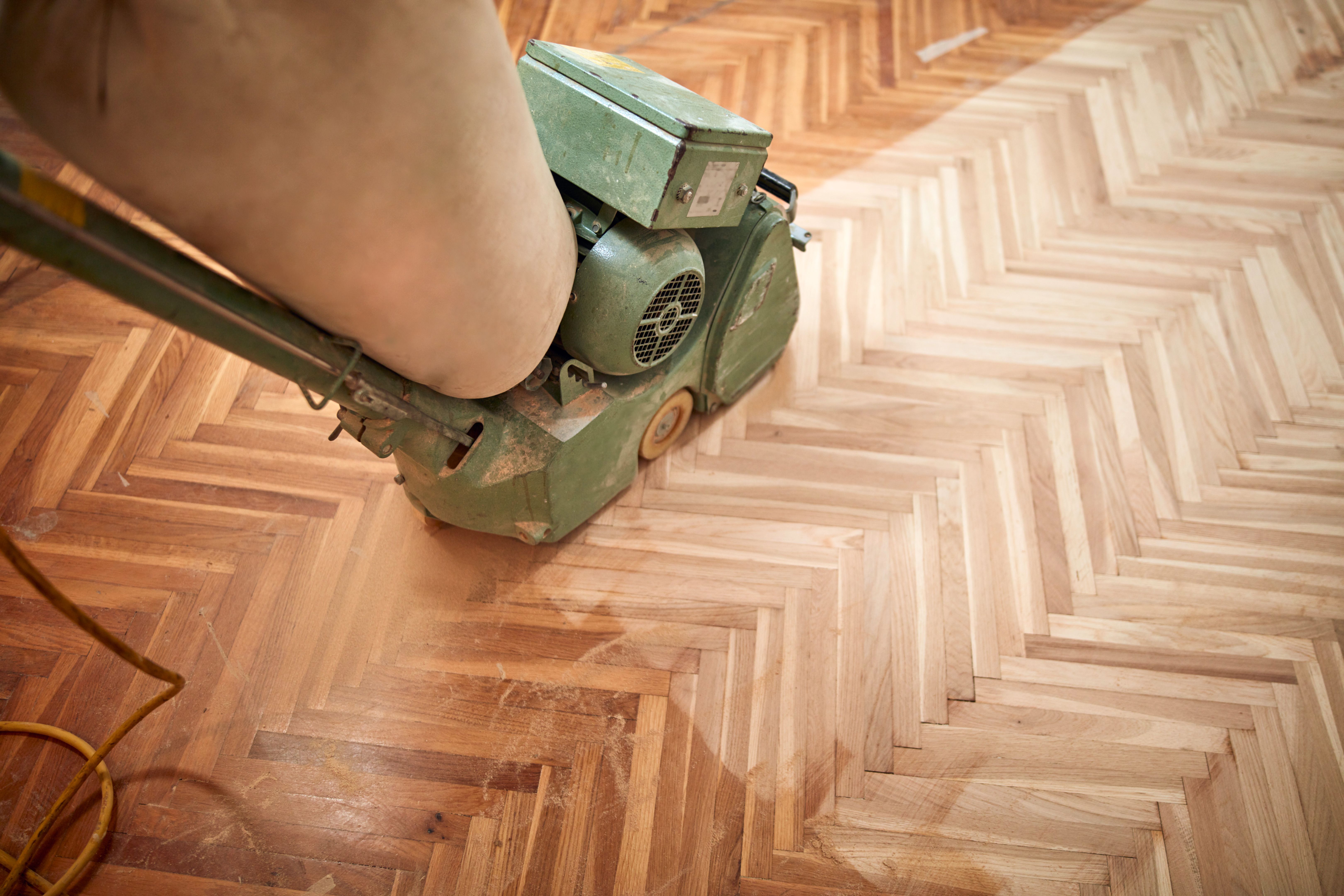
Sanding is the process of removing the top layer of the wood surface. This is done to eliminate imperfections like scratches, dents, and stains. Sanding also prepares the wood for finishing by creating a smooth surface that allows the finish to adhere properly.
When to Sand
Sanding is typically necessary when:
- The floor has visible scratches or dents.
- The finish has worn off in high-traffic areas.
- You want to change the color of the floor stain.
The Art of Finishing
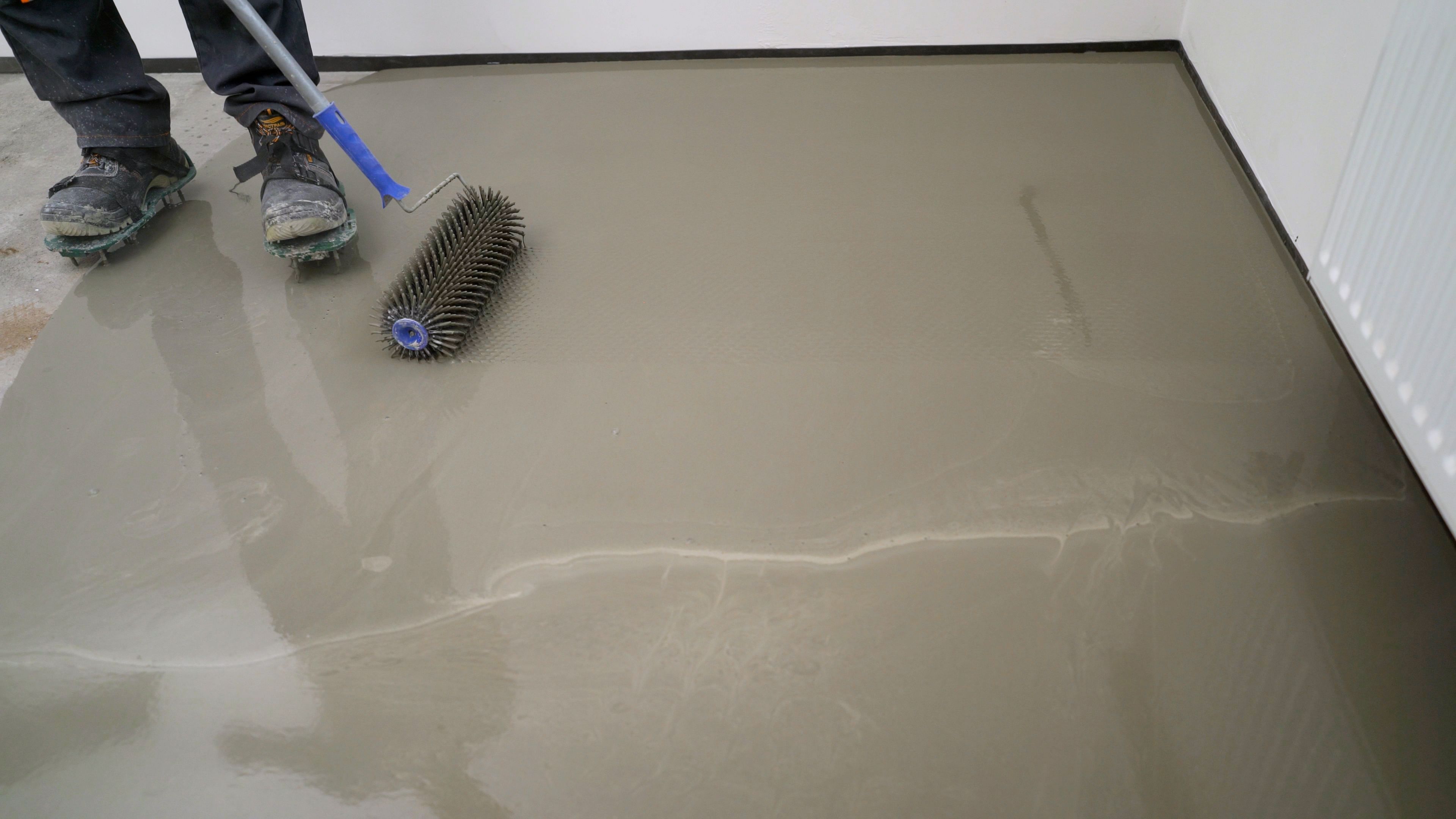
Finishing involves applying a protective layer to the sanded wood. This not only enhances the appearance of the floor but also shields it from damage. Finishes come in various types, including polyurethane, varnish, and oil-based options.
Choosing the Right Finish
When selecting a finish, consider factors like:
- Durability: Polyurethane is known for its long-lasting protection.
- Appearance: Oil-based finishes provide a rich, warm glow.
- Maintenance: Some finishes require regular upkeep, while others are low-maintenance.
Steps to Achieve Perfect Hardwood Floors
Achieving flawless hardwood floors is a multi-step process. Here's a simple guide:
- Inspect and Prepare: Check for any damage and gather all necessary tools and materials.
- Sanding: Begin by sanding the floor to remove imperfections and create a smooth surface.
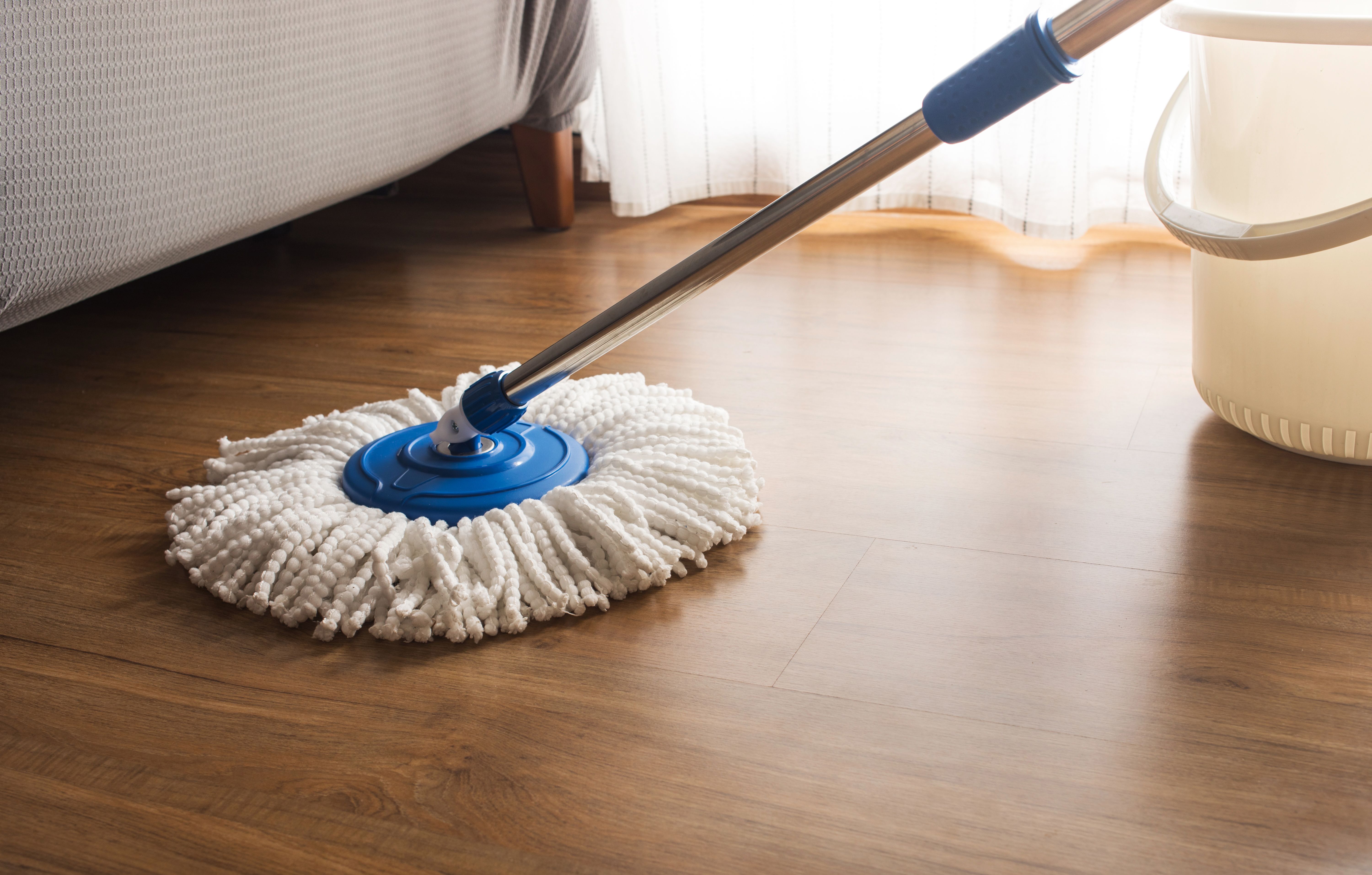
- Cleaning: Vacuum and clean the floor to remove dust and debris before applying the finish.
- Finishing: Apply the chosen finish evenly, following the manufacturer's instructions.
Common Mistakes to Avoid
While sanding and finishing may seem straightforward, there are common mistakes that can affect the outcome:
- Skipping Grits: Not using progressive grits can lead to uneven surfaces.
- Applying Finish Unevenly: This can result in a blotchy appearance.
- Ignoring Drying Times: Rushing the process can compromise the finish's durability.
Conclusion
Perfect hardwood floors are within reach when you understand the importance of sanding and finishing. By following the right steps and choosing the appropriate products, you can transform your floors into a stunning feature of your home. Take the time to plan and execute these processes carefully, and enjoy the beauty and durability of your hardwood floors for years to come.